Back to shop

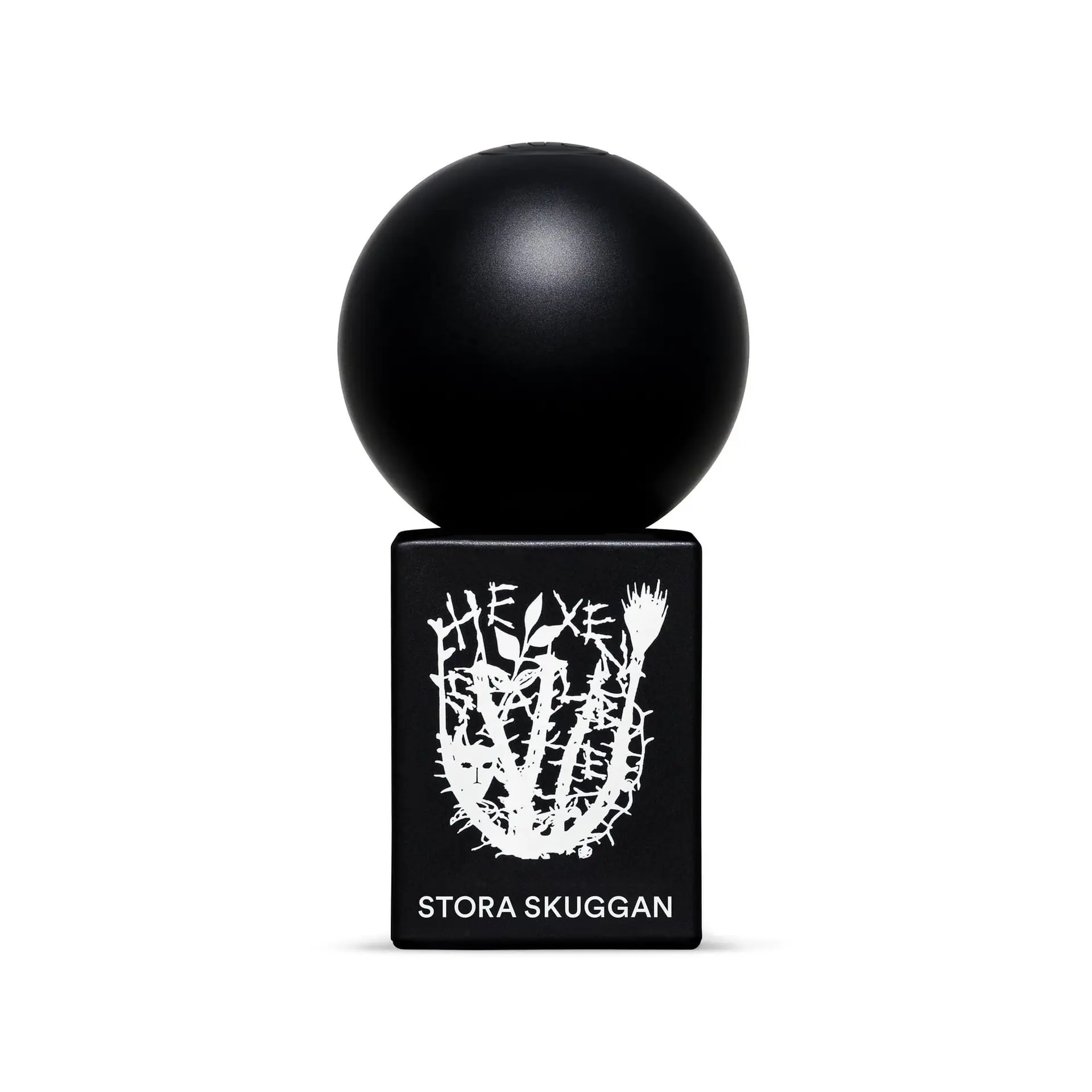
Hexensalbe

  • Vegan

30ML / 1FL OZ - EAU DE PARFUM

In our

Smells like

$180

Available for pickup

In stock at the shop on Grand Avenue — choose pickup at checkout, or come smell it in person.

565 Grand Ave, Carlsbad, CA 92008

Tue–Sat 11am–6pm · Sun 11am–4pm

Visit the shop

Shopping for someone else? Give a gift card →

If you love Hexensalbe, Shaya would reach for these
The Story

“In rifleing the closet of the ladie, they found a pipe of oyntement, wherewith she greased a staffe, upon which she ambled and galloped through thick and thin, when and in what manner she listed”
– Proceedings Against Dame Alice Kyteler, Prosecuted for Sorcery, 1324

Hexensalbe, also known as witches’ flying ointment, was a hallucinogenic salve used in witchcraft in the middle ages. It was a mixture of extremely poisonous ingredients.

The drug produced an ecstatic trance with powerful sensations of flying, images of otherworldly creatures and a primal sexual hunger. These hallucinations are at the core of the mythology of witches, where they fly to the sabbath at Blåkulla or Brocken to do it with the devil and other witches in unholy rites.

So, the image of witches flying can be traced back to the use of hexensalbe, but why on a broomstick? The ointment was so poisonous that eating it would be directly fatal, instead it was applied to other soft membranes of the body, armpits and more commonly the genitals. Because of the erotic effects of the high, the salve would often be rubbed directly onto a phallic object like the end of a staff or a broomstick. And so, the witch did not ride the broomstick like we picture her today. She actually -really- rode it.

Given which aspects of the story of hexensalbe has survived into the modern image of witches, and what has been suppressed, it would seem that the one thing more terrifying than witches or devils, is female sexuality.

The House

Stora Skuggan — "the big shadow" in Swedish — is a Stockholm collective of five artists who founded the house in 2015 and run every part of it themselves: concept, formula, copy, and design. The fragrances are drawn from myth, folklore, and the natural unknown — each one delivered with a short, strange prose vignette and a bottle that looks like a field specimen.

The Perfumer

Anna Barkne